
Biohazard Removal Service Tips
How is biohazardous waste removed from the patient's room
Published 2026-09-03 · By Michael Reynolds, Biohazard Removal Denver
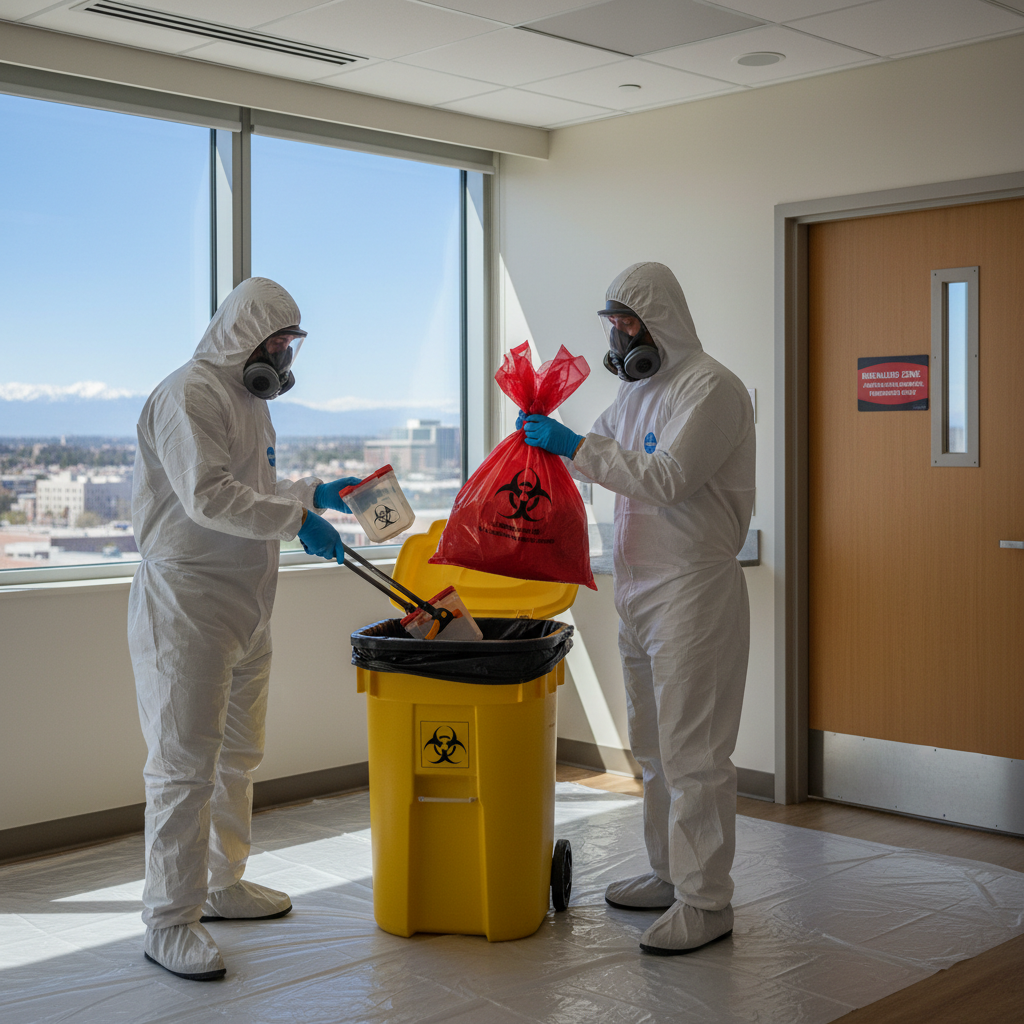
In Denver's fast-paced healthcare system, ensuring the safe removal of biohazardous waste from patient rooms is a critical process. With the city's varied weather patterns and neighborhoods, like Capitol Hill and Washington Park, medical facilities must navigate not only patient care but also strict compliance with safety standards. Biohazard cleanup is not just about removing waste; it is about maintaining a safe environment for both patients and healthcare workers.
Biohazardous waste includes anything that contains bodily fluids, tissues, or pathogens that can pose a risk to public health. In Denver, especially in high-traffic areas with older buildings, challenges such as limited space and established infrastructure can complicate waste removal. This is where professional services like Michael Reynolds' team at Biohazard Removal Denver come into play, ensuring that all processes are handled efficiently and safely.
Understanding Biohazardous Waste
Biohazardous waste can take various forms, including: 1. Blood and bodily fluids: Common in hospitals, clinics, and during home care. 2. Sharp objects: Such as needles and scalpel blades that require careful handling. 3. Pathological waste: This includes tissues and organs, often created during surgical procedures. 4. Chemical waste: Used in treatments or lab work that needs specialized disposal. Understanding these types is crucial to effective biohazard cleanup. Denver's transient population adds a unique layer of complexity. Emergency situations like outbreaks of MRSA or C difficile can occur at any time, demanding quick emergency biohazard removal services, especially in neighborhoods like RiNo and Cherry Creek.
Proper equipment and techniques are essential for handling biohazardous waste. Professionals typically use: - Personal Protective Equipment (PPE): To protect against exposure. - Sealable biohazard bags: For safe transport of waste. - Disinfectants and deodorizers: To ensure complete sanitation. - Special containers: For sharps and hazardous materials. The climate in Denver can also affect the efficiency of waste removal. For instance, heavy snow or rain can complicate transport operations, requiring routes to be adjusted, especially in hilly neighborhoods like Berkeley and Sloan's Lake.
The Process of Biohazardous Waste Removal
The removal process includes several key steps: 1. Assessment: Professional teams evaluate the waste volume and type. 2. Containment: Waste is securely contained in designated bags or containers. 3. Transportation: Waste is transported to appropriate waste disposal facilities in compliance with local regulations. 4. Disposal: Waste is disposed of through incineration, sterilization, or landfilling, depending on its classification. Denver’s proximity to various disposal facilities such as those in Adams County and nearby Aurora ensures that waste can be handled quickly and efficiently. By following these strict protocols, Michael Reynolds’ team ensures safety in a city that experiences diverse climatic challenges, from spring storms to freezing conditions.
Key Takeaways
In conclusion, the removal of biohazardous waste from patient rooms in Denver is a comprehensive process that necessitates attention to detail and adherence to safety regulations. As we experience the unique challenges posed by our semi-arid climate and diverse urban landscape, it’s essential for facilities across the city—whether in LoDo, City Park, or the surrounding suburbs—to engage professional services like our team for reliable and effective biohazard cleanup. Understanding local dynamics, including the effect of heavy snowfall or summer thunderstorms on waste transport, allows us to tailor our services to meet the needs of the community effectively. By choosing a trusted local expert like Michael Reynolds for your cleanup needs, you ensure a safe and compliant environment, whether you are in the heart of downtown or the outskirts of Green Valley Ranch.